




Choosing between a gas vehicle and an electric vehicle is one of the biggest decisions today’s car shoppers face. Both have real strengths, and the right choice depends on how far you drive, where you park, what you tow, and how you plan to fuel up. This guide breaks down the key differences between buying a gas vehicle or an electric vehicle so you can decide which one fits your life in the Kansas City area.
Gas vs. Electric at a Glance
Before getting into the details, here is a quick look at how the two compare in the areas shoppers ask about most.
| Category | Gas Vehicle | Electric Vehicle |
|---|---|---|
| Vehicle Price | Wider range of entry-level options | Often higher, mainly due to battery cost |
| Refueling | A few minutes at any gas station | Mostly overnight at home, plus public fast charging |
| Routine Maintenance | Oil changes, filters, spark plugs | No oil changes, fewer routine services |
| Long Road Trips | Little planning needed | May require planning charging stops |
| Heavy Towing | Strong, consistent range | Range drops significantly under load |
| Driving Feel | Familiar engine sound and feel | Instant torque, quiet and smooth |
How They Work
A gas vehicle uses an internal combustion engine that burns fuel to create power, which is sent to the wheels through a transmission. An electric vehicle replaces the engine and fuel tank with a battery pack and one or more electric motors, and you plug in to recharge instead of stopping at the pump.
Because electric motors have far fewer moving parts, both the driving experience and the ownership routine change in noticeable ways.

Upfront Price and Incentives
EVs often carry a higher sticker price than comparable gas vehicles, largely because of the cost of their battery packs. Gas vehicles generally offer more entry-level price points, from compact SUVs to full-size pickups.
What Changed with Incentives
The federal tax credits for new and used EVs ended for vehicles acquired after September 30, 2025. The federal credit for home charging equipment also ended for chargers placed in service after June 30, 2026.
That makes it more important than ever to compare the full purchase price, current manufacturer offers, and any utility rebates for home charging. Our team can review current offers on the specific vehicle you are considering.
Fueling Up vs. Charging
Refueling a gas vehicle takes just a few minutes, and stations are easy to find almost anywhere. EV charging works differently, and it helps to understand the three main options.
Level 1 Charging
This uses a standard household outlet. It is the slowest option, but it requires no special equipment and works well for drivers with short daily commutes.
Level 2 Charging
A 240-volt charger installed at home or found at many public locations. A Level 2 home charger can fully recharge many EVs overnight, which is why most owners rely on it for everyday driving.
DC Fast Charging
Found along major highways and in some commercial areas, DC fast chargers add significant range during a shorter stop. Public charging is still less widespread than gas stations, though many automakers, including Stellantis on newer models, are moving to the NACS charging port to expand access to more fast-charging locations.

Maintenance and Ownership Costs
Maintenance is where EVs often shine. With no engine oil, spark plugs, or exhaust system, an EV skips many of the routine services a gas vehicle needs, and regenerative braking, which uses the motor to slow the vehicle and recapture energy, can reduce wear on brake pads. That said, EVs are not maintenance-free. Like any vehicle, they still need tire rotations, cabin air filters, brake fluid, wiper blades, and regular inspections.
Gas vehicles require more routine care, including oil changes, engine air filters, and eventually spark plugs and transmission service. The tradeoff is that parts and service are widely available, and most drivers already know the routine. When comparing total ownership costs, also factor in fuel versus electricity prices, insurance, and registration. Missouri, for example, charges an additional annual registration fee for electric and plug-in hybrid vehicles.
The Driving Experience
Electric motors deliver full torque instantly, giving EVs quick, smooth acceleration from a stop with almost no noise. Gas vehicles offer the familiar sound and feel that many enthusiasts still love, and modern engines paired with advanced automatic transmissions are smoother and more efficient than ever.
Neither is better across the board. It comes down to what you enjoy behind the wheel.

Range, Towing, and Kansas City Weather
For daily commuting, most EVs handle typical driving with ease. The bigger questions come up on long trips, in winter, and when towing.
Road Trips
A gas vehicle can be refueled at almost any exit, while an EV may require planning fast-charging stops in advance.
Cold Weather
Low temperatures can noticeably reduce EV range, which is worth considering during Kansas City winters.
Towing
Pulling a trailer uses much more energy, and an EV’s range can drop significantly under load. For drivers who tow campers, boats, or equipment over long distances, a gas-powered truck like the Ram 1500 remains the more practical choice for most needs.
Which Type of Vehicle Is Right for You?
An EV May Be the Better Fit
An electric vehicle may be the better fit if you have a garage or driveway where you can charge at home and your daily driving follows a predictable routine. Drivers who want lower routine maintenance and enjoy quick, quiet acceleration often find that an EV suits them well, and many owners say that charging overnight becomes more convenient than stopping at a gas station.
A Gas Vehicle May Make More Sense
A gas vehicle may make more sense if you take frequent long road trips, tow heavy loads on a regular basis, or live somewhere without reliable access to home charging. It is also usually the way to go if keeping the upfront price as low as possible is your top priority.
Some shoppers see range-extended and hybrid technology as a middle ground, and Stellantis has said it plans to focus on those electrified options going forward. The best way to decide is to drive both and talk through how each one fits your routine.
Frequently Asked Questions
Is it cheaper to own an EV or a gas vehicle?
It depends on the purchase price, how much you drive, and local fuel and electricity rates. EVs often cost less to maintain, while gas vehicles often cost less upfront.
Can I still get a federal tax credit on an EV?
No. The federal new and used EV credits ended for vehicles acquired after September 30, 2025. Ask our team about current manufacturer offers instead.
Do I need a special charger at home?
Not necessarily. A standard outlet works for short commutes, but most owners find a Level 2 charger far more convenient.
Explore Gas and Electric Options at Cable Dahmer CDJR
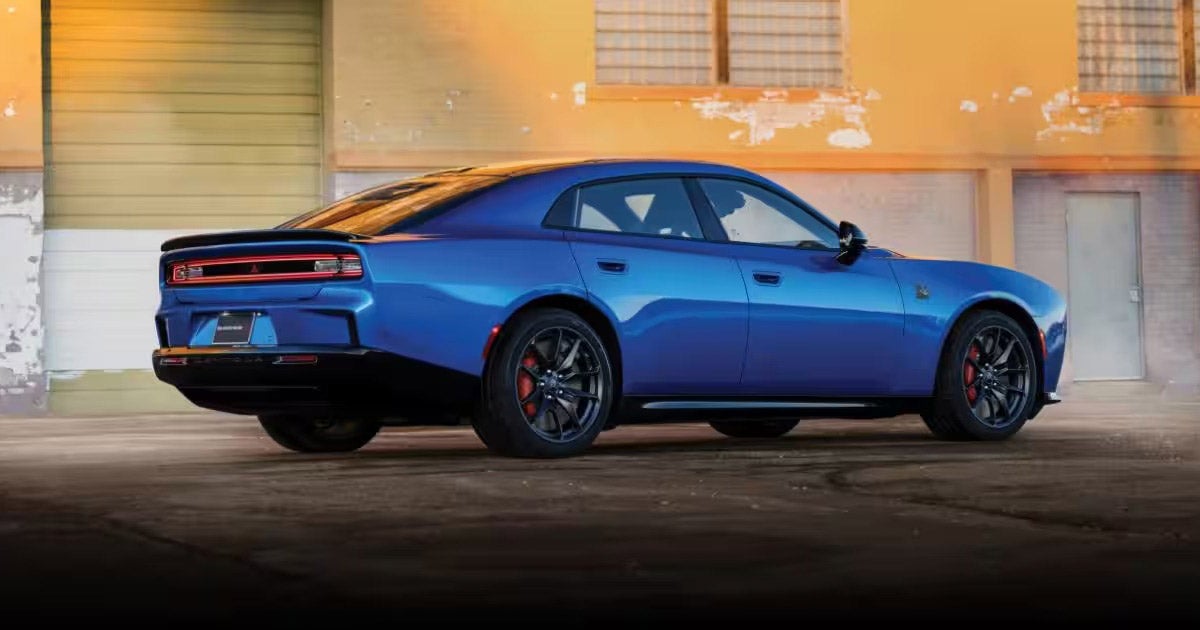
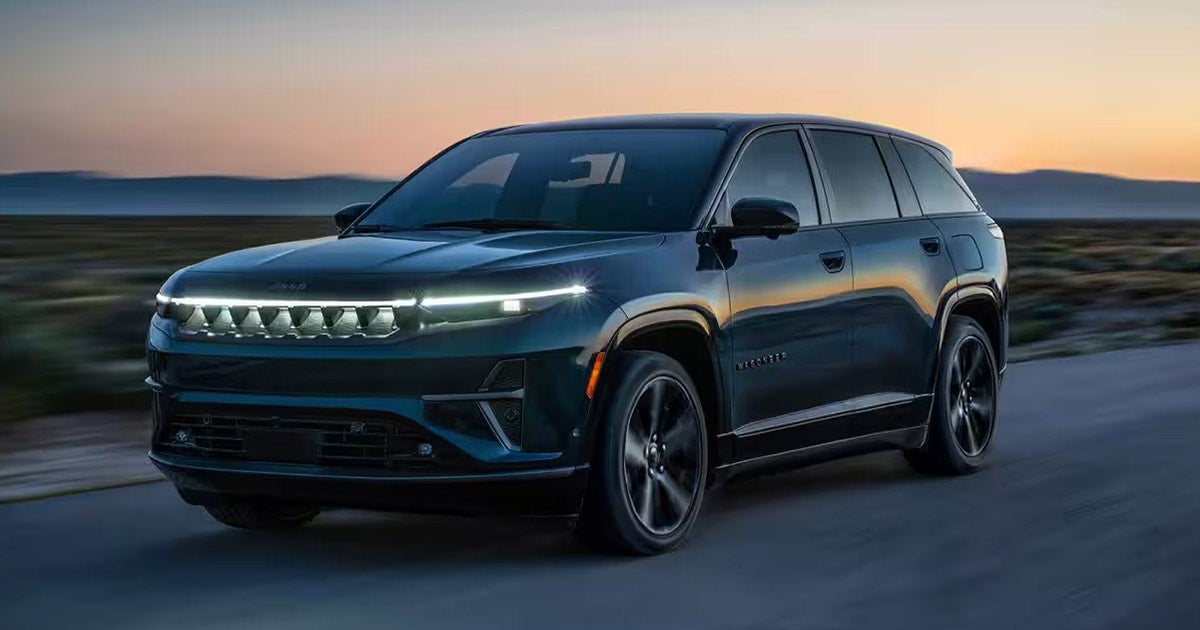
At Cable Dahmer Chrysler Dodge Jeep Ram of Kansas City, we can help you compare both sides of the decision. The Chrysler, Dodge, Jeep, and Ram lineups include electric models like the Dodge Charger Daytona, Jeep Wagoneer S, and Jeep Recon, along with proven gas-powered favorites like the Ram 1500, Jeep Wrangler, Jeep Grand Cherokee, and Chrysler Pacifica. Our team will walk you through ownership costs, charging, and capability so you can choose with confidence. Schedule a test drive today and experience the difference for yourself.
Schedule a Test Drive